Professional Headshots Without Photographer Expenses
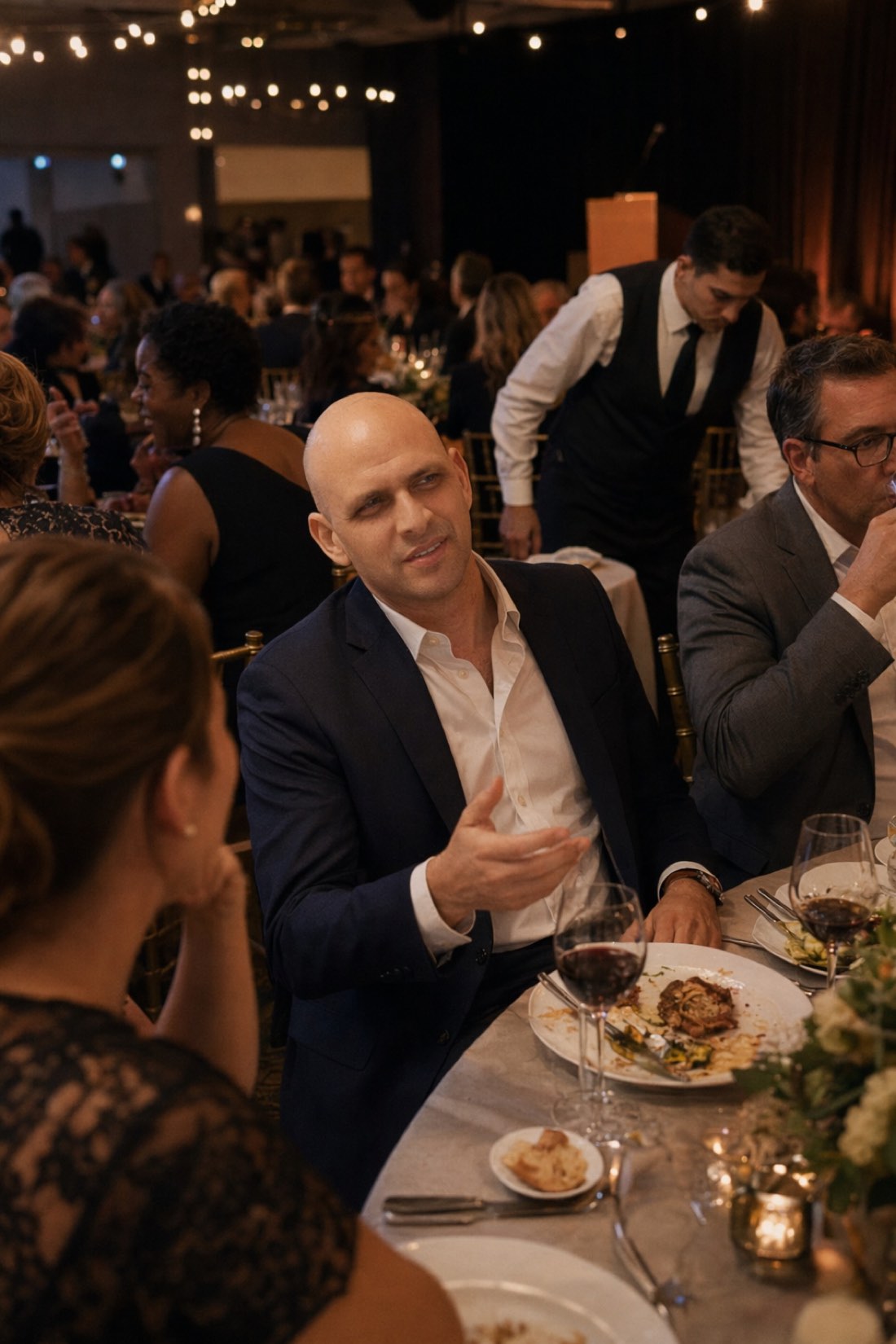
A professional headshot session in most cities runs $200 to $600 once the session fee and retouched files are counted, and the good photographers book out weeks ahead. That price made sense when a studio was the only way to get a usable professional photo. It is not the only way anymore.
Here is what the photographer fee actually buys, what you can replace, and how to get professional photos of yourself for a fraction of the cost.
What the $400 actually pays for
Break a session down and you are paying for four things: the photographer's time and direction, studio light, a controlled setting, and editing. Notice what is not on the list: there is nothing magical about the photos themselves. The deliverable is a set of clear, well-lit images of you in professional contexts, where your face reads plainly and you look composed.
That deliverable is now reproducible without the booking, the commute, or the invoice. What stays valuable about a photographer is the in-person experience, posing direction and a team shoot matched across a whole company. If you need that, book one. If you need good professional photos of yourself, keep reading.
The AI route
With CMeIn the process replaces the studio day entirely:
- Upload reference photos. A few clear, recent shots of yourself in good light. This replaces the camera and the studio.
- Pick professional scenes. Business settings, smart-casual, formal events, a workspace.
- Generate and choose. You get realistic photos where your face reads clearly, and you pick the keepers.
The cost is a credit pack instead of a session fee, and the turnaround is minutes instead of a booking lead time plus an editing wait.
The one thing that decides quality
Skipping the photographer only works if the result still looks like you. This is where AI tools split into two camps. Most generators polish faces toward a generic ideal, and the output looks like a stock-photo model wearing your haircut. That photo fails at its one job, which is representing the real person who shows up to the meeting.
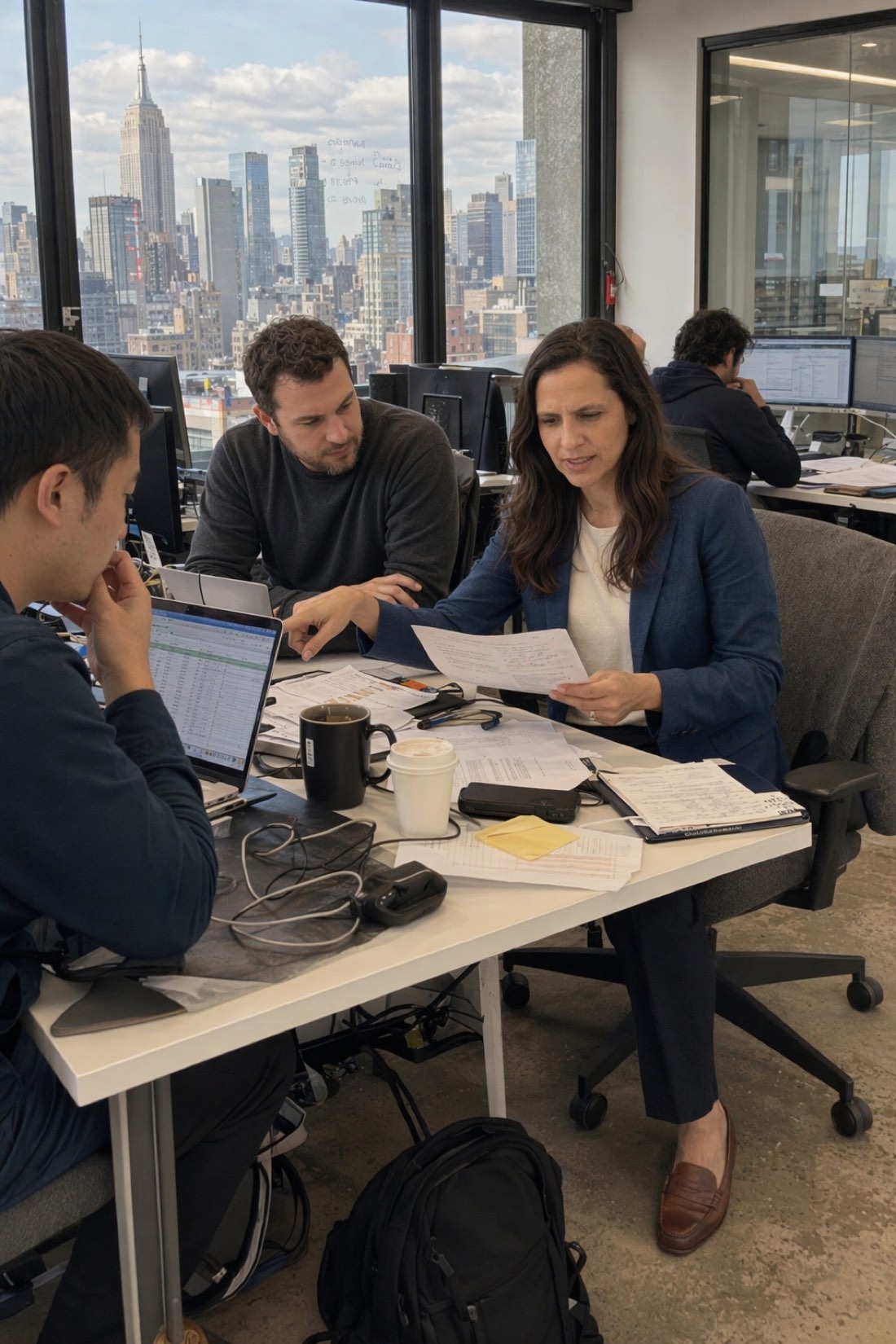
CMeIn is built the other way: it preserves your actual features, proportions, and natural look, and places you in realistic settings with matching light. The result reads as a genuine photo of you in a professional context, which is exactly what a headshot is for. The details of that approach are in how AI preserves faces and proportions.
One more honesty note: what you get is natural and realistic, not a staged studio portrait with three-point lighting. For modern professional profiles that is a feature. Stiff studio shots increasingly read as dated, while a clear, natural photo in a real setting reads as confident.
Doing it right
Three habits produce professional results without anyone directing you:
- Feed it good references. Clear, recent, unfiltered photos, full face visible, taken a normal distance away. Bad input is the AI equivalent of a bad studio.
- Pick settings that match your field. Formal for corporate and finance, smart-casual for tech and creative, a workspace for consultants. Our personal branding guide maps styles to fields.
- Choose the natural ones. When you review results, keep the photos that pass the would-a-friend-recognize-me test instantly. Skip anything that looks improved.
Skip the invoice
Professional photos used to cost a session fee. Now they cost a few clear reference photos and a few minutes.
- See the quality first in the public examples.
- Then check the credit packs and generate your professional set.
Related reading: AI Headshots That Look Like You, AI Photos for Personal Branding.