From Chasing to Being Chased: How to Get More Matches on Dating Apps
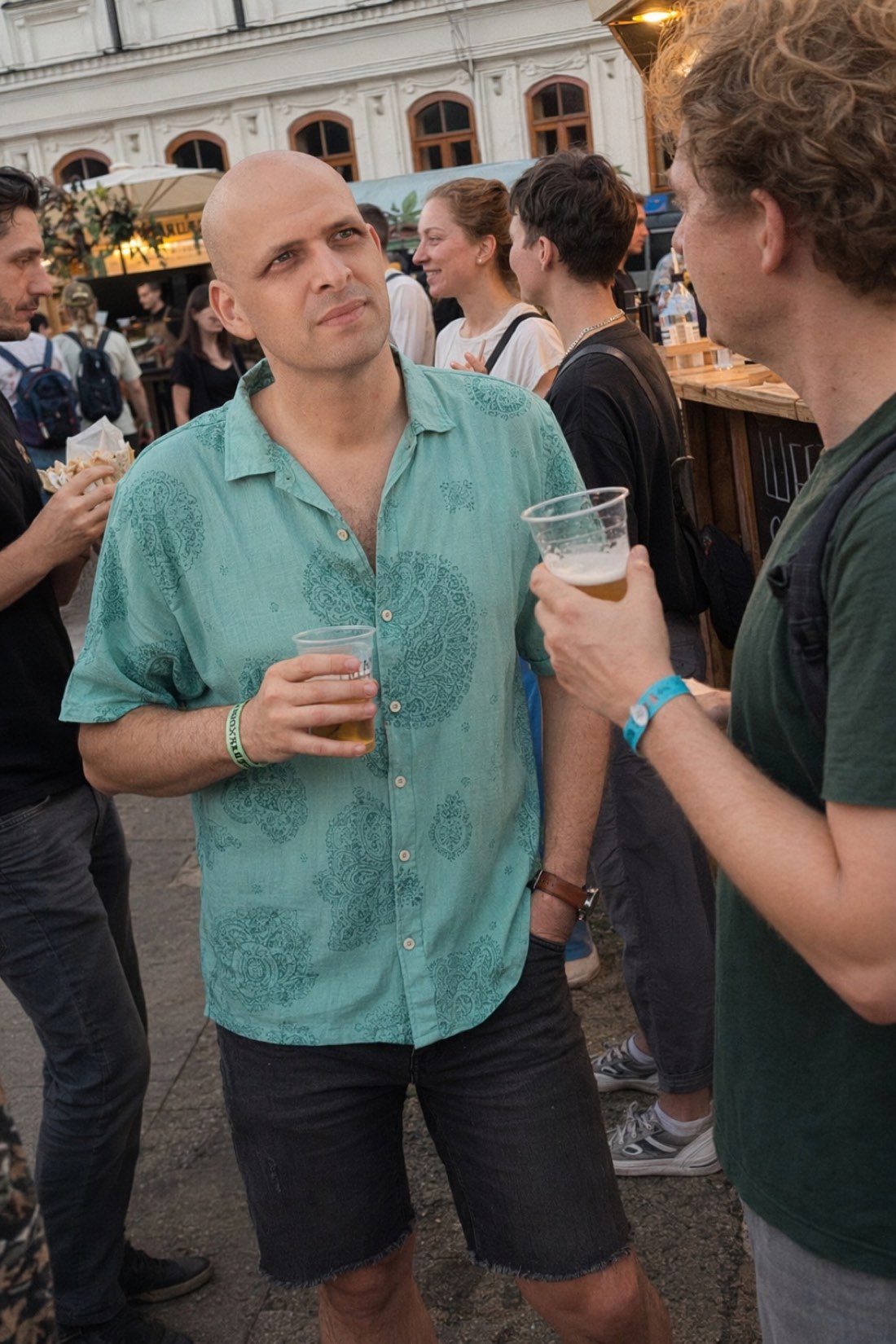
There are two ways to exist on a dating app. In the first, you do the chasing: hundreds of swipes, carefully written openers, and mostly silence back. In the second, you open the app and likes are waiting for you. Same app, same city, same pool of people. The difference between the two is almost never looks, and it is never the bio. It is what your photos make people do in the first second.
Here is how the flip actually works, and how to make it happen for your profile.
Why matches are an inbound game
Every app runs on the same loop. Your first photo gets shown, someone reacts in well under a second, and the app keeps score. Profiles that earn likes get shown to more people; profiles that get skipped sink. That means your results are compounding in whichever direction your photos point.
Chasing is what you do when the photos are not working: more swipes, wittier openers, more effort poured into the one channel you control. But outbound effort cannot fix an inbound problem. One person swiping harder is arithmetic. A profile that earns likes on its own is exponential, because the algorithm becomes your distribution.
And inbound matches are simply better. The people who liked you first respond, because they chose you. Conversations start warm instead of cold. You pick from interest instead of manufacturing it. That is the being-chased side of the app, and photos are the entire toll gate.
What flips the switch
Not glamour. The profiles that pull inbound likes are built from photos that are easy to say yes to:
- A lead photo where the yes is instant. Face clear, light good, expression warm. No sunglasses, no group shot, no squinting into shadow. This one image carries most of your results.
- A full-length photo that reads as confident. Hiding your build creates doubt; showing it removes a reason to skip.
- Scenes with a story in them. A festival, a trail, a kitchen, a night out. Each one hands someone a reason to like you and a line to open with. This is what "getting noticed" mechanically means.
- Proof of a life. Friends, activity, movement. People chase people who seem chosen already.
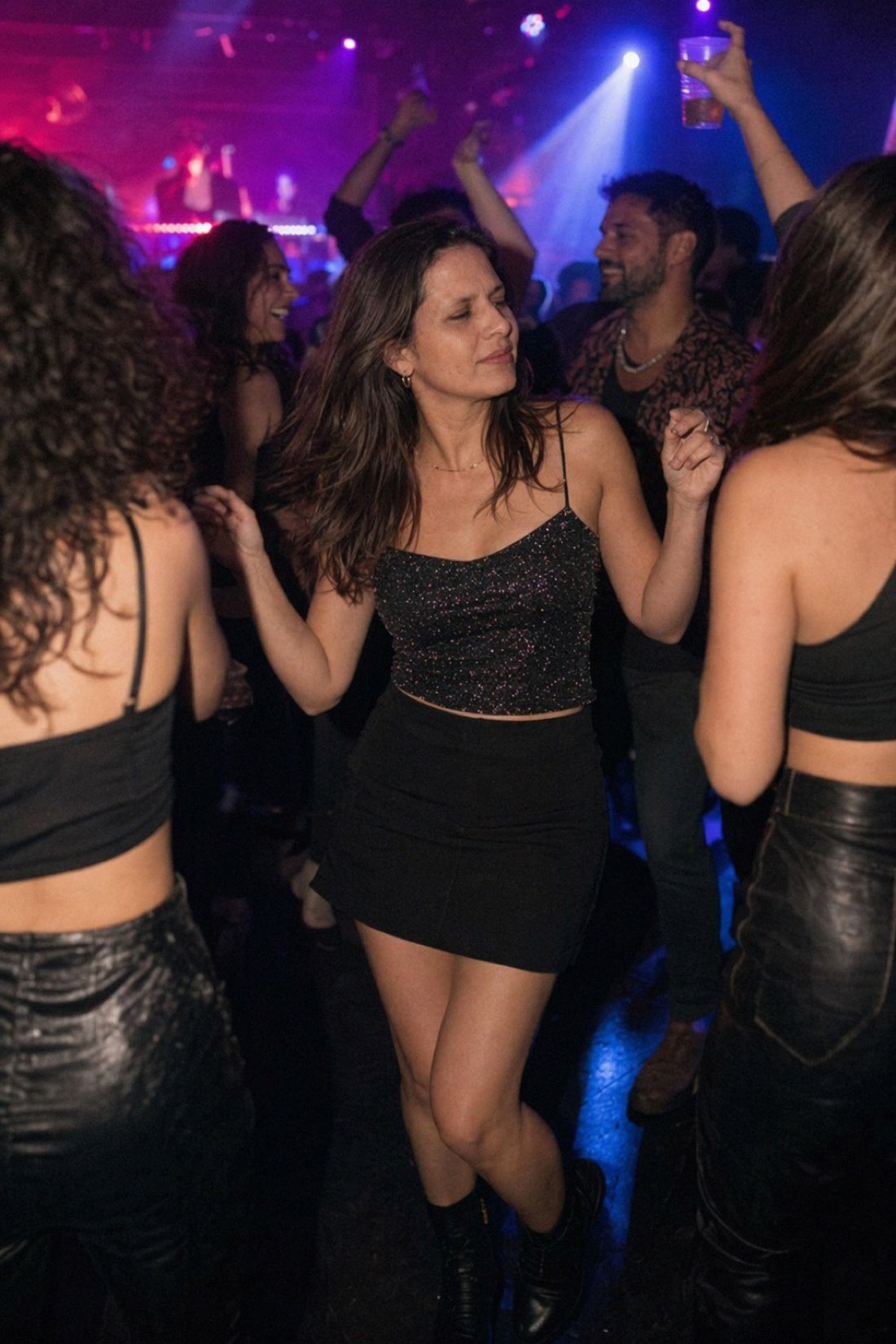
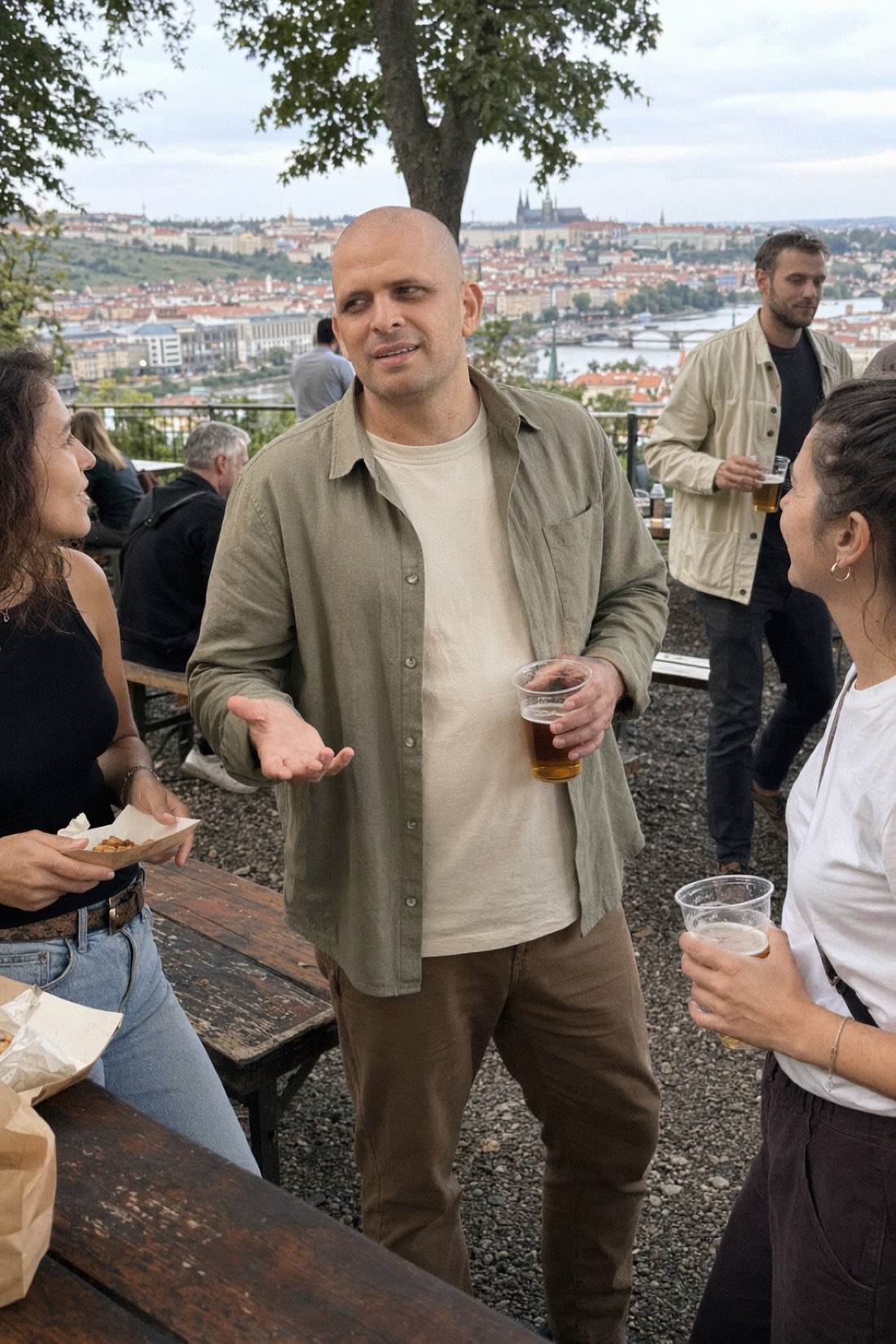
Energy, story, social proof. Photos like these do the approaching for you.
The full slot-by-slot lineup is in our profile picture playbook, with app-specific versions for Hinge, Bumble, and Tinder.
The honest catch
Being chased only works if the person who shows up is the person in the photos. Over-edited, filtered, or flattering-to-the-point-of-fiction images generate likes that evaporate on the first date. The goal is not a better-looking stranger, it is the best real version of you, photographed clearly, in scenes worth reacting to.
That is exactly the line CMeIn is built on. You upload a few clear reference photos, and it generates candid, realistic photos of you across the scenes above: your actual face and proportions preserved, placed in moments that give people a reason to reach out. No studio gloss, no beautified drift, because those are precisely what break the flip when you meet in person.
Run the flip this week
- Audit your current lineup. Would a stranger say yes to your first photo in half a second? Cut everything blurry, dark, repeated, or hidden behind sunglasses.
- Fill the gaps. Generate the missing slots, the clear lead, the full-length, two or three story scenes, from a few good reference photos.
- Lead with the strongest photo and give the new lineup a week. Watch what happens to your inbound likes before you touch your bio or your openers again.
Chasing is effort. Being chased is leverage. The switch between them is a set of photos, and that is the one part of dating you can fix in an afternoon.
- See what earning-the-like photos look like in the public examples.
- Then check the credit packs and rebuild your lineup.
Related reading: How to Look Better on Dating Apps, Dating Profile Makeover With AI.